Tag: Cosmetic Dentistry

  • Get a Straighter Smile with Cosmetic Dentistry for Crooked Teeth

    Get a Straighter Smile with Cosmetic Dentistry for Crooked Teeth

    Are you tired of hiding your smile due to crooked teeth? Do you dream of having a straighter, more confident smile? You’re not alone. Millions of people worldwide struggle with misaligned teeth, affecting not only their appearance but also their self-esteem.

    Achieving a straighter smile is now more accessible than ever, thanks to advancements in cosmetic dentistry. This article will explore the various options available for correcting crooked teeth, helping you understand what to expect and how to achieve the smile you’ve always wanted.

    Key Takeaways

    • Understanding the causes of crooked teeth
    • Exploring cosmetic dentistry options for correction
    • Learning about the benefits of a straighter smile
    • Discovering the various treatments available
    • Understanding what to expect during the correction process

    Understanding Crooked Teeth and Their Impact

    Understanding the causes and effects of crooked teeth is crucial for achieving a straighter smile. Crooked teeth, or dental misalignment, can result from various factors and have significant implications on both oral health and self-esteem.

    Common Causes of Dental Misalignment

    Dental misalignment can be caused by a combination of genetic, environmental, and lifestyle factors. Some common causes include:

    • Genetics: Inherited traits can play a significant role in the alignment of teeth.
    • Thumb sucking or pacifier use: Prolonged use can exert pressure on the teeth, causing misalignment.
    • Missing teeth: Gaps left by missing teeth can cause surrounding teeth to shift.
    • Oral habits: Habits such as tongue thrusting can also contribute to crooked teeth.

    Physical and Psychological Effects of Crooked Teeth

    Crooked teeth can have both physical and psychological impacts. Physically, they can lead to difficulties in cleaning, which may result in plaque buildup, tooth decay, and gum disease. Psychologically, crooked teeth can affect an individual’s self-confidence and self-esteem, potentially impacting their social interactions and overall quality of life.

    Fortunately, various cosmetic dentistry solutions are available to address crooked teeth, including teeth straightening treatments. By understanding the causes and effects of crooked teeth, individuals can make informed decisions about their oral health and explore the most suitable treatment options.

    Exploring Cosmetic Dentistry for Crooked Teeth

    Cosmetic dentistry offers a range of solutions for individuals with crooked teeth, providing an alternative to traditional orthodontic treatments. This section will delve into the differences between traditional orthodontics and cosmetic approaches, highlighting the benefits of choosing cosmetic solutions.

    Traditional Orthodontics vs. Cosmetic Approaches

    Traditional orthodontics involve the use of braces or clear aligners to physically move teeth into alignment. In contrast, cosmetic dentistry focuses on improving the appearance of crooked teeth without necessarily altering their position. Procedures like porcelain veneers and dental bonding can create the illusion of straighter teeth.

    Benefits of Choosing Cosmetic Solutions

    Cosmetic solutions offer several advantages. Aesthetic advantages include the ability to choose the shape, size, and color of the veneers or bonding material, allowing for a customized smile makeover.

    Aesthetic Advantages

    Cosmetic dentistry provides the flexibility to enhance the appearance of teeth beyond just straightening, offering a comprehensive smile transformation.

    Time Considerations

    Cosmetic procedures are often quicker than traditional orthodontic treatments. For instance, porcelain veneers can be applied in just a few dental visits, making them an attractive option for those seeking rapid results.

    Procedure Duration Aesthetic Outcome
    Porcelain Veneers 2-3 visits Highly customizable
    Dental Bonding 1 visit Natural appearance
    Traditional Orthodontics Months to years Improved alignment

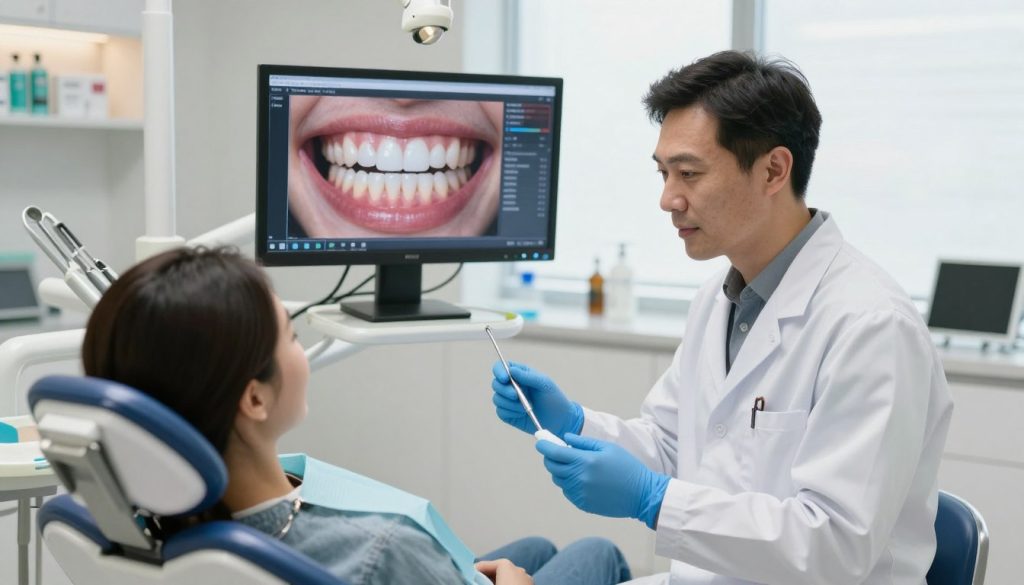
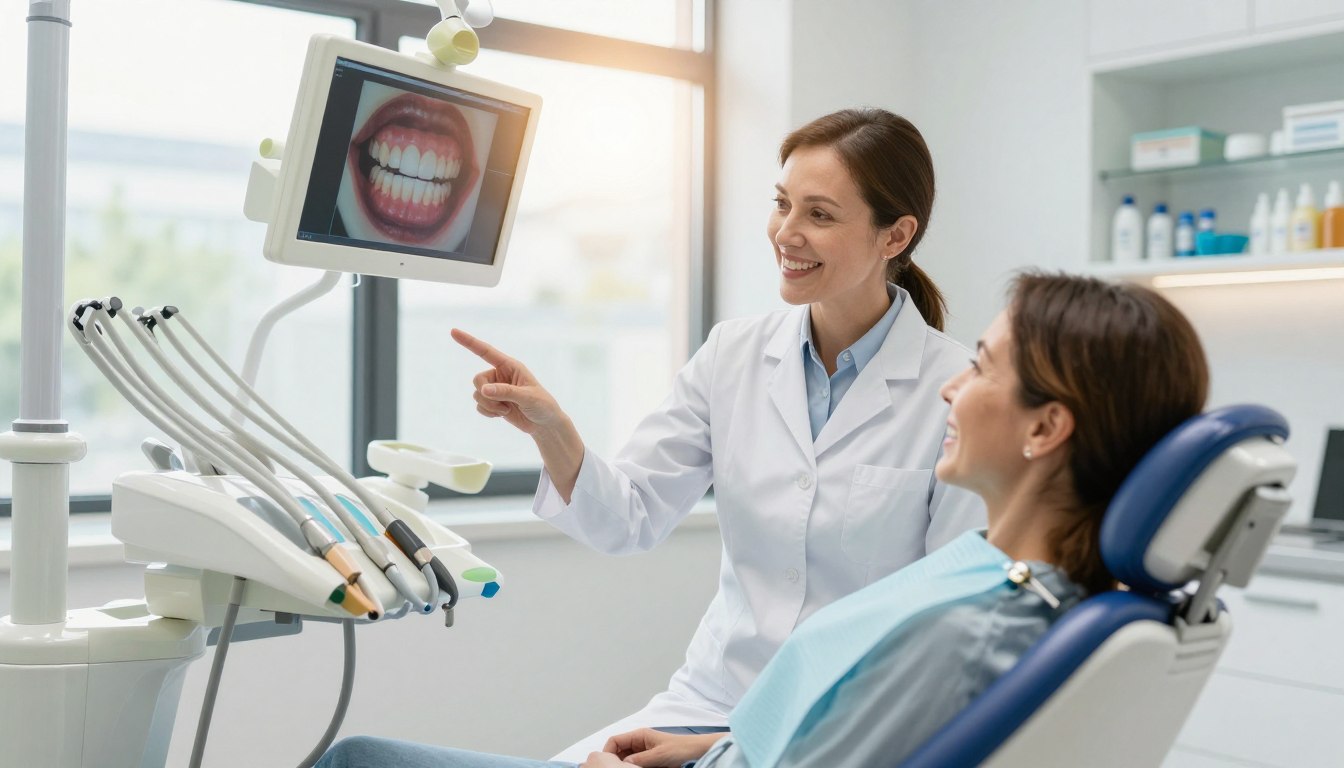
    A modern dental clinic setting showcasing cosmetic dentistry procedures for crooked teeth. In the foreground, a professional dentist in a white lab coat and blue gloves stands beside a dental chair, explaining a treatment plan to a patient, who is comfortably seated and wearing a dental bib. The middle layer features dental tools and a large monitor displaying a digital smile makeover software, highlighting before-and-after images of straightened teeth. In the background, a wall of dental products and a bright window with natural light flooding the room creates an inviting atmosphere. Soft, warm lighting enhances the professionalism of the scene, while a shallow depth of field focuses on the dentist and patient interaction, conveying a sense of trust and care.

    Porcelain Veneers: The Instant Smile Makeover

    Porcelain veneers offer a transformative solution for individuals looking to correct the appearance of crooked teeth without undergoing extensive orthodontic treatment. This cosmetic dentistry option has gained popularity for its ability to provide an instant smile makeover.

    Correcting the Appearance of Misaligned Teeth

    Porcelain veneers are thin layers of ceramic material bonded to the front of teeth to improve their appearance. They can effectively mask minor misalignments, making teeth appear straighter. Unlike clear aligners, which gradually move teeth into alignment, veneers provide an immediate aesthetic solution.

    The Veneer Procedure Step-by-Step

    The process of getting porcelain veneers involves several steps:

    Initial Consultation

    During the first visit, your dentist will assess your teeth and discuss your cosmetic goals to determine if veneers are the right choice for you.

    Preparation and Temporary Veneers

    To prepare your teeth for veneers, your dentist will remove a small amount of enamel. Temporary veneers may be placed to protect your teeth until the permanent veneers are ready.

    Final Placement

    Once your custom veneers are prepared, they will be bonded to your teeth, completing your smile makeover.

    Ideal Candidates for Veneers

    Porcelain veneers are suitable for individuals with minor to moderate tooth misalignment who are looking for a cosmetic solution. Those with severely crooked teeth may require orthodontic treatment before veneers can be considered. It’s essential to consult with a dentist to determine the best course of treatment for your specific needs.

    Dental Bonding: A Quick and Affordable Option

    For individuals seeking a rapid solution to crooked teeth, dental bonding presents a compelling option in the realm of cosmetic dentistry. This procedure involves the application of a tooth-colored resin to correct imperfections, including misalignment.

    The Bonding Process Explained

    Dental bonding is a multi-step process that requires precision and skill. It begins with the preparation of the tooth surface.

    Preparation and Application

    The dentist prepares the tooth by applying a conditioning gel, followed by the application of the bonding material. The resin is then shaped to correct the misalignment.

    Shaping and Polishing

    After applying the resin, the dentist shapes it to match the surrounding tooth structure. The final step involves polishing the bonded area to achieve a natural appearance.

    Durability and Maintenance Considerations

    While dental bonding is durable, it is not as long-lasting as other cosmetic dentistry solutions. Proper care, including regular brushing and avoiding hard foods, can extend its lifespan.

    Procedure Duration Cost
    Dental Bonding 30 minutes to 1 hour per tooth $300 – $600 per tooth
    Porcelain Veneers 2 visits, several weeks apart $925 – $2,500 per veneer
    Clear Aligners Several months to 2 years $2,000 – $8,000 total treatment

    As shown in the table, dental bonding offers a relatively quick and affordable solution compared to other cosmetic dentistry options.
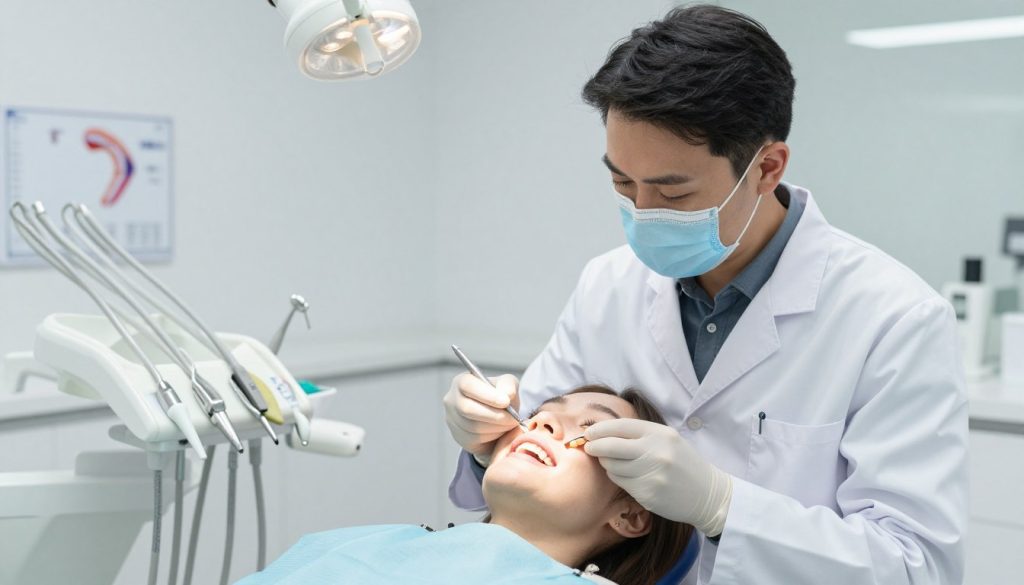
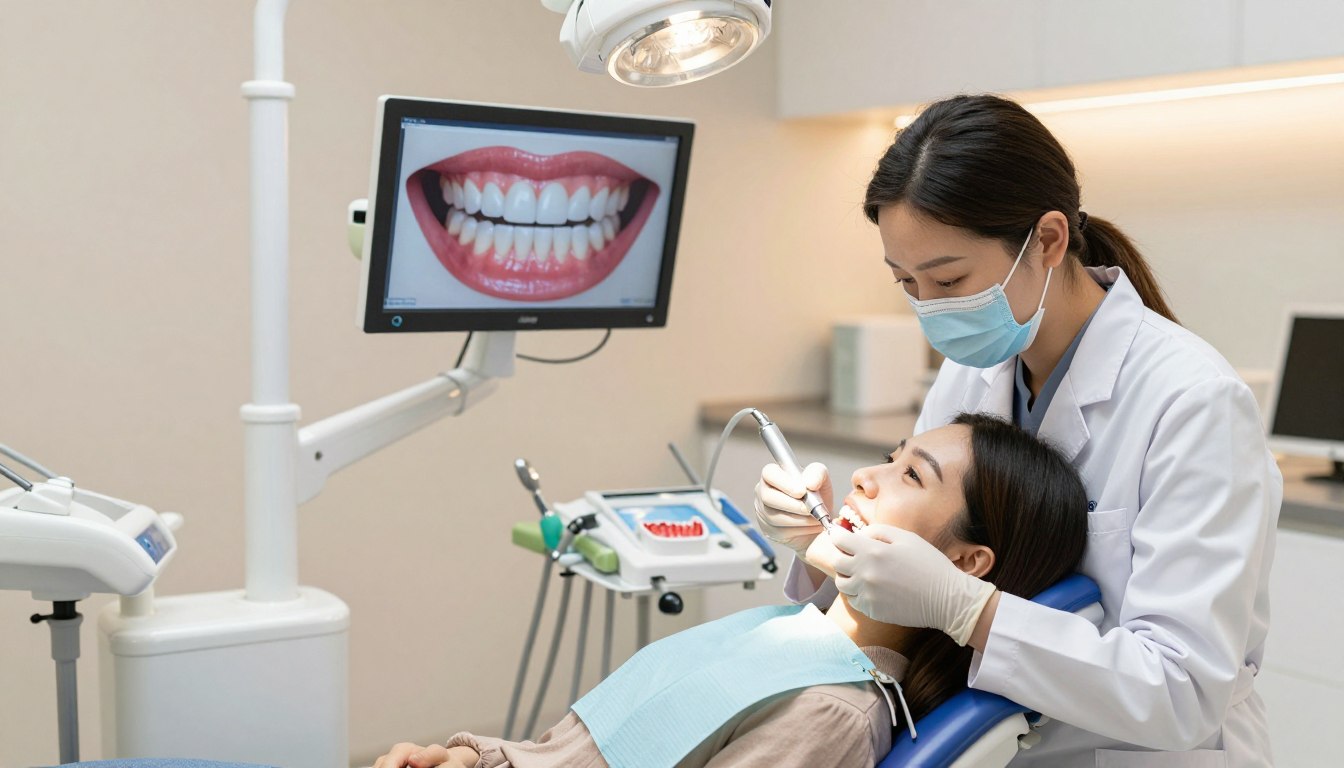
    A bright and modern dental office, featuring a professional dentist in a white lab coat and a patient seated in a dental chair. The dentist gently applies a tooth-colored composite resin to a crooked front tooth, showcasing the dental bonding procedure. The scene is well-lit with soft overhead lights, creating a clean and inviting atmosphere. In the background, dental tools are neatly organized on a counter and a colorful dental chart is visible. The focus is on the precise application of the bonding material, emphasizing the dentist's skillful technique. The image should be captured from a slight angle, highlighting both the dentist's concentration and the patient’s hopeful expression. The overall mood is one of professionalism and comfort, conveying the sense of care and expertise in cosmetic dentistry.

    According to the American Dental Association, “Dental bonding is a versatile and effective solution for various dental issues, including chipped, cracked, or misaligned teeth.”

    “Dental bonding has revolutionized the way we approach cosmetic dentistry, offering patients a fast and efficient path to a more confident smile.”

    Dr. Jane Smith, Cosmetic Dentist

    Clear Aligners: Discreet Teeth Straightening

    Clear aligners have revolutionized the way we approach crooked teeth correction, offering a discreet and effective solution for achieving a straighter smile. This modern orthodontic treatment has gained popularity due to its nearly invisible appearance and comfort.

    How Clear Aligner Therapy Works

    Clear aligner therapy involves wearing a series of custom-made, transparent aligners that gradually shift your teeth into the desired position. Each aligner is designed to be worn for a specific period, typically one to two weeks, before moving on to the next set in the series.

    The Treatment Timeline and Process

    The clear aligner treatment process begins with an initial consultation with a certified dentist or orthodontist.

    Initial Scanning and Treatment Planning

    During this visit, a 3D scan of your teeth is taken to create a precise digital model. This model is used to plan the entire treatment, including the movement of your teeth and the final expected outcome.

    Wearing Schedule and Progress Checks

    You’ll wear each aligner for 20 to 22 hours a day, removing them only for eating, drinking, brushing, and flossing. Regular check-ups with your dentist or orthodontist will monitor your progress and ensure that your treatment is on track.

    Comparing Popular Clear Aligner Options

    Several brands offer clear aligner therapy, including Invisalign and ClearCorrect. While both provide effective treatment, they differ in their approach, cost, and treatment duration. Your dentist or orthodontist can help you decide which option is best for your specific needs.

    Clear aligners offer a convenient, comfortable, and aesthetically pleasing solution for individuals seeking to correct their crooked teeth. By understanding how clear aligner therapy works and what to expect during the treatment process, you can make an informed decision about whether this option is right for you.

    Choosing the Right Cosmetic Solution for Your Smile

    The journey to a straighter smile begins with understanding the various cosmetic dentistry solutions and selecting the one that best suits your needs. With options ranging from porcelain veneers to clear aligners, it’s essential to consider several factors to make an informed decision.

    Factors to Consider When Selecting a Treatment

    When choosing a cosmetic solution, several factors come into play. These include the severity of your misalignment, budget constraints, and timeline expectations.

    Severity of Misalignment

    The degree of your teeth misalignment is a crucial factor in determining the most suitable treatment. For instance, porcelain veneers are ideal for minor misalignments and can provide an instant smile makeover.

    Budget Constraints

    Different cosmetic dentistry solutions come with varying price tags. Understanding your budget will help narrow down the options. For example, dental bonding is generally more affordable than porcelain veneers or clear aligners.

    Timeline Expectations

    Your treatment timeline is another critical factor. If you’re looking for a quick solution, dental bonding or porcelain veneers might be more suitable as they can often be completed in a few visits.
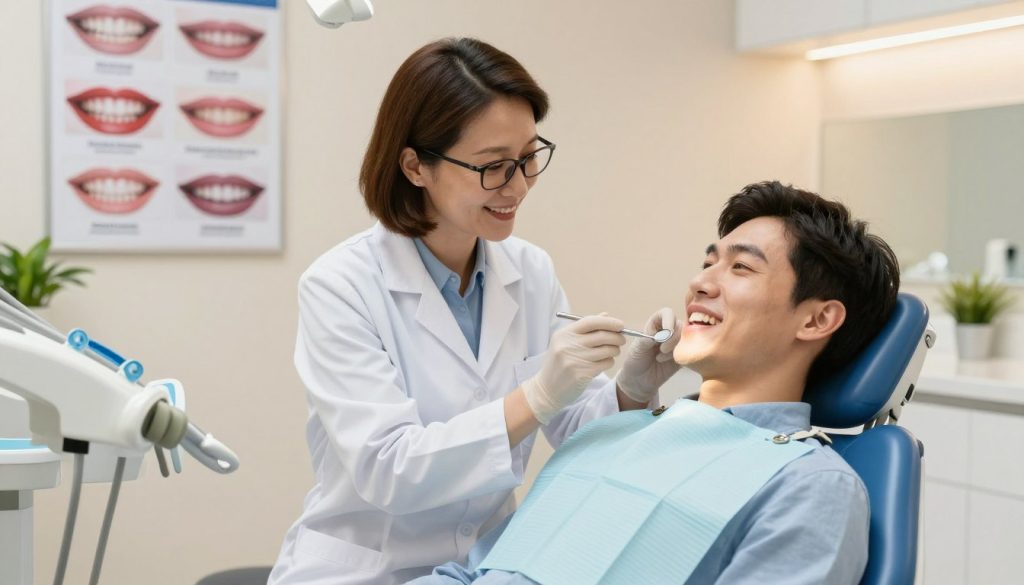
    A bright, modern dental office featuring a professional dentist in a clean, white lab coat, examining a patient’s mouth with a dental mirror. The dentist is a middle-aged female with short brown hair, wearing glasses, while the patient, a young adult male in a light blue shirt, sits comfortably in a dental chair, looking relaxed. In the background, a large dental poster displays various cosmetic dentistry solutions, such as porcelain veneers and Invisalign. Warm, soft lighting creates a welcoming atmosphere, enhancing the cheerful decor with light-colored walls and green plants. The scene captures the contemporary and friendly vibe of cosmetic dentistry, emphasizing the importance of choosing the right solution for achieving a straighter smile.

    Questions to Ask During Your Dental Consultation

    During your consultation, it’s essential to ask the right questions to ensure you’re making an informed decision. Some key questions to consider include: “What are the available treatment options for my condition?” “What are the benefits and drawbacks of each option?” and “What is the expected outcome of the treatment?”

    • What are the available treatment options for my condition?
    • What are the benefits and drawbacks of each option?
    • What is the expected outcome of the treatment?

    Cost Considerations and Financing Options

    Understanding the cost of your chosen treatment and exploring financing options can help make your dream smile more affordable. Many dental practices offer financing plans or accept dental insurance, which can help alleviate the financial burden.

    As

    “A beautiful smile is the best makeup for any face.”

    – This quote emphasizes the importance of a confident, beautiful smile in our lives.

    Conclusion: Your Journey to a Straighter Smile

    Achieving a straighter smile is now more accessible than ever, thanks to advancements in cosmetic dentistry for crooked teeth. Whether you opt for porcelain veneers, dental bonding, or clear aligners, there’s a teeth straightening solution tailored to your needs.

    By understanding the causes and effects of crooked teeth, you can make an informed decision about the best cosmetic dentistry approach for your smile. Consult with a professional to discuss your options and take the first step towards a more confident you.

    With the right treatment, you can enjoy a straighter, more beautiful smile that enhances your overall appearance and boosts your self-esteem. Start your journey today and discover the transformative power of cosmetic dentistry.
    FAQ

    What is cosmetic dentistry?

    Cosmetic dentistry is a branch of dentistry that focuses on improving the appearance of teeth and gums. It includes various procedures such as porcelain veneers, dental bonding, and clear aligners to enhance the aesthetic appeal of one’s smile.

    How do porcelain veneers correct crooked teeth?

    Porcelain veneers are thin layers of ceramic material bonded to the front of teeth to improve their appearance. They can correct the appearance of crooked teeth by covering misalignments and creating a straighter, more uniform smile.

    What is the process of getting dental bonding?

    The dental bonding process involves preparing the tooth, applying a bonding material, shaping it to match the surrounding teeth, and polishing it to a natural finish. It’s a relatively quick and painless procedure.

    How do clear aligners work?

    Clear aligners are custom-made, removable trays that fit over the teeth to gradually move them into a straighter position. They are typically worn for 20-22 hours a day and changed every few weeks to progress through the treatment plan.

    What factors should I consider when choosing a cosmetic dentistry solution?

    When selecting a cosmetic dentistry solution, consider the severity of your misalignment, budget constraints, and timeline expectations. It’s also essential to discuss your options with a dentist to determine the best course of treatment for your specific needs.

    Are cosmetic dentistry procedures painful?

    Most cosmetic dentistry procedures are relatively painless, and any discomfort is usually temporary. Dentists often use local anesthesia or other sedation methods to minimize discomfort during procedures.

    How do I maintain my new smile after cosmetic dentistry?

    To maintain your new smile, practice good oral hygiene, including regular brushing and flossing, and attend scheduled dental check-ups. The longevity of your results will depend on the type of procedure and your oral care habits.

    Can I finance my cosmetic dentistry treatment?

    Many dental offices offer financing options or accept third-party financing plans to help make cosmetic dentistry more affordable. Discuss your financial options with your dentist to determine the best plan for your needs.

    How long does it take to see results from clear aligner therapy?

    The duration of clear aligner therapy varies depending on the complexity of the case and the individual’s treatment plan. Generally, results can be seen within several months to a few years.

    Are there any risks associated with cosmetic dentistry?

    As with any dental procedure, there are potential risks and complications associated with cosmetic dentistry, such as tooth sensitivity or allergic reactions to materials. Discuss these risks with your dentist to understand the potential outcomes.
  • Dental Veneers Pros and Cons Explained

    Dental Veneers Pros and Cons Explained

    Are you considering transforming your smile with a cosmetic dentistry procedure? You’re not alone. Many individuals seek to enhance their appearance through dental veneers, a popular solution for various dental imperfections.

    But what exactly are dental veneers, and are they right for you? Essentially, they are thin layers of material placed over the teeth to improve their appearance. Understanding the advantages and disadvantages of this procedure is crucial before making a decision.

    As you explore the possibility of enhancing your smile, it’s essential to weigh the benefits against the potential drawbacks. This guide will walk you through the key aspects of dental veneers, helping you make an informed decision.

    Key Takeaways

    • Understanding the purpose and benefits of dental veneers.
    • Learning about the potential drawbacks and limitations.
    • Gaining insights into the procedure and what to expect.
    • Discovering how to determine if dental veneers are right for you.
    • Exploring the importance of consulting a professional.

    What Are Dental Veneers?

    Dental veneers are a popular cosmetic dentistry solution, but what exactly are they? In essence, veneers are thin layers of material placed over the teeth to improve their appearance. They are a versatile treatment option for various dental issues.

    Definition and Purpose

    Dental veneers are defined as thin, custom-made shells of porcelain or composite resin that are bonded to the front of teeth. Their primary purpose is to enhance the aesthetic appeal of one’s smile by correcting imperfections such as discoloration, chips, or misalignment. Porcelain veneers are particularly popular due to their durability and natural appearance.

    The process involves a minimal removal of enamel to accommodate the veneer, making it a relatively conservative treatment compared to crowns or other dental restorations.

    Who Is a Good Candidate for Veneers

    Not everyone is a suitable candidate for dental veneers. Ideal candidates are those with healthy teeth and gums, as veneers do not address underlying issues like tooth decay or gum disease. Individuals with insufficient enamel or those who grind their teeth may also not be ideal candidates, as these conditions can compromise the veneers’ integrity.

    A consultation with a qualified cosmetic dentist is essential to determine suitability for veneers. They will assess the condition of your teeth and gums, discuss your aesthetic goals, and recommend the most appropriate treatment options.

    Types of Dental Veneers

    The world of dental veneers is diverse, offering multiple types to suit individual requirements. When considering veneers, understanding the different materials and their characteristics is crucial for making an informed decision.

    Porcelain Veneers

    Porcelain veneers are highly regarded for their durability and aesthetic appeal. They are made from high-quality ceramic material that closely resembles natural tooth enamel. Porcelain veneers are stain-resistant and can last for 10 to 15 years or more with proper care. They are ideal for individuals seeking a long-term solution for cosmetic dental issues.

    Composite Veneers

    Composite veneers, on the other hand, are made from a tooth-colored resin material applied directly to the teeth. They are less expensive than porcelain veneers and can be completed in a single visit. However, composite veneers are more prone to staining and have a shorter lifespan compared to porcelain veneers. They are a viable option for those on a budget or who want a quicker solution.

    Lumineers and Other Alternatives

    Lumineers are a brand of veneers that are ultra-thin and do not require significant tooth preparation. They are an attractive option for individuals who want to maintain their natural tooth structure. Other alternatives include removable veneers and snap-on veneers, which offer temporary cosmetic solutions.

    To help you compare the different types of veneers, here’s a summary table:

    Type of Veneer Material Durability Cost
    Porcelain Veneers Ceramic 10-15 years $1000-$2500 per tooth
    Composite Veneers Resin 5-7 years $300-$1500 per tooth
    Lumineers Ultra-thin ceramic 10-20 years $800-$2000 per tooth

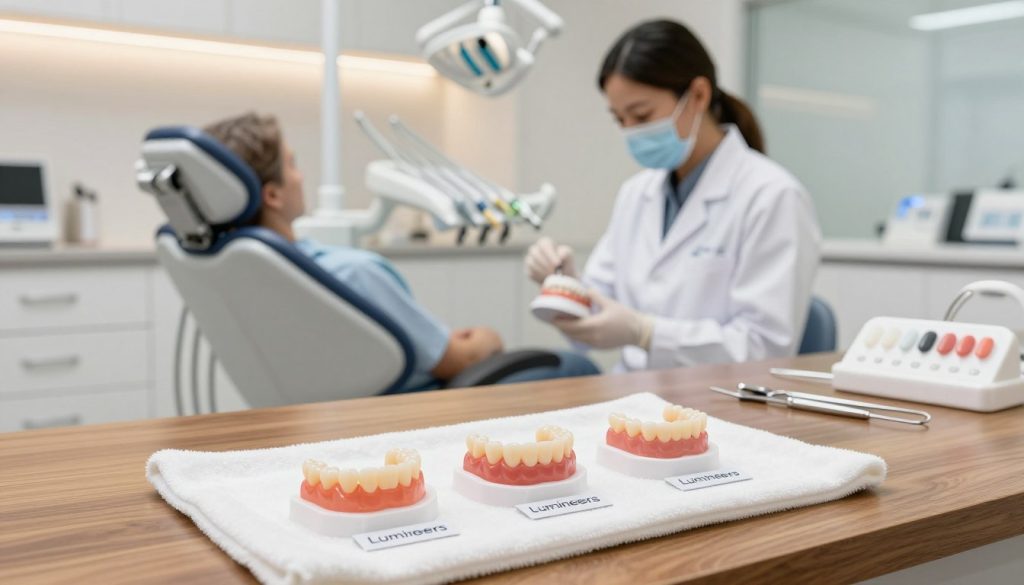
    A professional dental office interior, featuring a polished wooden desk with dental tools and veneers samples displayed prominently. In the foreground, a set of three distinct types of dental veneers: porcelain, composite resin, and lumineers are arranged on a white velvet cloth, each with labels indicating their type (not visible in the image). The middle section shows a dental professional in a white lab coat, examining a patient’s dental mold, while in the background, an elegant dental chair and bright, soft LED lighting create a warm, inviting atmosphere. The image is taken from a slight angle to highlight the veneers while keeping the professional environment in focus, conveying trust and expertise in dental care.

    Understanding the different types of dental veneers and their characteristics can help you make an informed decision based on your budget, preferences, and dental needs.

    The Process of Getting Dental Veneers

    If you’re considering dental veneers, it’s essential to know what to expect from the process, from the initial consultation to the final placement. This knowledge will help you prepare for the journey to achieving your desired smile.

    Initial Consultation and Planning

    The first step in getting dental veneers is an initial consultation with a top-rated cosmetic dentist. During this visit, your dentist will assess your teeth and discuss your goals and expectations. They will examine your teeth, gums, and overall oral health to determine if veneers are the right solution for you.

    Preparation of Teeth

    Once you’ve decided to proceed with dental veneers, the next step is the preparation of your teeth. This involves removing a small amount of enamel from the surface of your teeth to accommodate the veneer. The amount of enamel removed is typically equivalent to the thickness of the veneer.

    Veneer Fabrication

    After preparing your teeth, your dentist will take impressions, which are then sent to a dental laboratory for the fabrication of your veneers. The laboratory will create your veneers based on the specifications provided by your dentist.

    Placement and Bonding

    Once your veneers are ready, you’ll return to your dentist for the placement and bonding procedure. Your dentist will temporarily place the veneers on your teeth to check their fit and color. Once you’re satisfied with the appearance, the veneers will be bonded to your teeth using a special adhesive.

    Aftercare and Recovery

    After the veneers are placed, your dentist will provide instructions on how to care for them. Proper aftercare is crucial for the longevity of your veneers. This includes maintaining good oral hygiene, avoiding certain foods, and attending regular dental check-ups.

    Step Description Duration
    Initial Consultation Discussion with a top-rated cosmetic dentist 30 minutes
    Teeth Preparation Removing enamel to accommodate veneers 1-2 hours
    Veneer Fabrication Laboratory creation of veneers 1-2 weeks
    Placement and Bonding Attaching veneers to teeth 1-2 hours

    Dental Veneers Pros and Cons Explained

    To make an informed choice about dental veneers, it’s vital to explore their pros and cons in detail. Dental veneers are a popular cosmetic dentistry solution that can significantly enhance the appearance of your teeth. However, like any dental procedure, they come with their own set of advantages and disadvantages.

    Advantages of Dental Veneers

    Dental veneers offer several benefits that make them an attractive option for those looking to improve their smile. Two of the most significant advantages are their aesthetic benefits and durability.

    Aesthetic Benefits

    Dental veneers can dramatically improve the appearance of your teeth by correcting issues such as discoloration, chipping, or misalignment. They are designed to match the color and shape of your natural teeth, providing a natural-looking and aesthetically pleasing result. Veneers can also boost your confidence by giving you a brighter, more uniform smile.

    Durability and Longevity

    With proper care, dental veneers can last for many years. Porcelain veneers, in particular, are known for their durability and resistance to stains. This means that you can enjoy your enhanced smile for a long time without needing frequent replacements or touch-ups. Regular dental check-ups and good oral hygiene practices are essential to maintaining the longevity of your veneers.

    Advantages Description
    Aesthetic Improvement Corrects discoloration, chipping, or misalignment
    Durability Long-lasting with proper care

    Disadvantages of Dental Veneers

    While dental veneers offer many benefits, there are also some drawbacks to consider. Understanding these disadvantages is crucial for making an informed decision.

    Irreversible Procedure

    One of the significant disadvantages of dental veneers is that the procedure is irreversible. To prepare your teeth for veneers, a small amount of enamel is removed. This means that once you have veneers, you cannot go back to your natural teeth. It’s essential to be certain about your decision before proceeding.

    Potential Complications

    As with any dental procedure, there are potential complications associated with dental veneers. These can include sensitivity, veneer failure, or improper fit. Choosing an experienced cosmetic dentist can help minimize these risks. It’s crucial to follow your dentist’s advice for aftercare to ensure the longevity and success of your veneers.

    Disadvantages Description
    Irreversibility Procedure cannot be reversed
    Potential Complications Sensitivity, veneer failure, or improper fit

    In conclusion, dental veneers can be a fantastic way to enhance your smile, offering both aesthetic and durable benefits. However, it’s crucial to consider the potential drawbacks, including the irreversible nature of the procedure and possible complications. By weighing these pros and cons, you can make an informed decision that suits your dental needs and preferences.

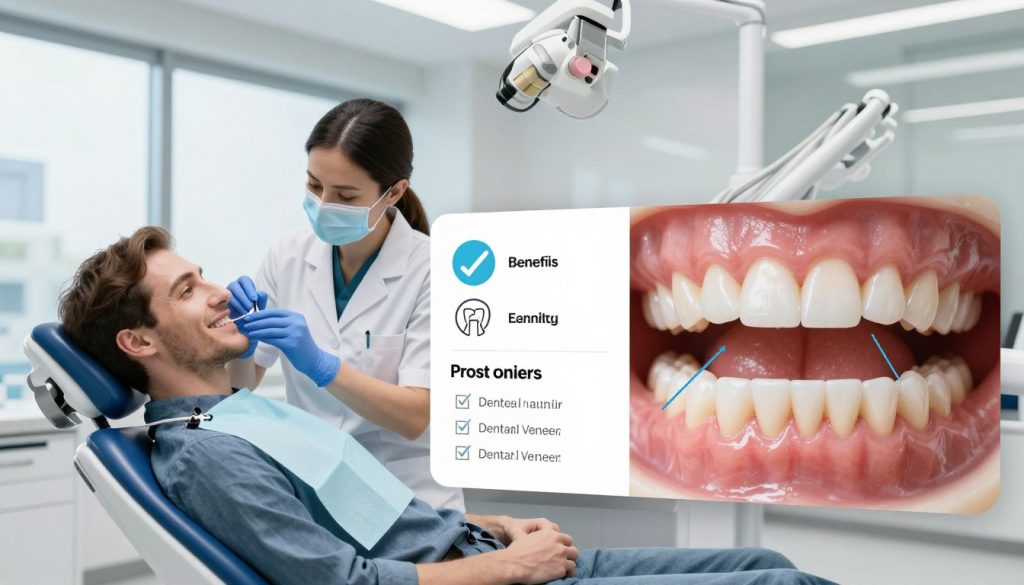
    A visually engaging and informative composition illustrating the pros and cons of dental veneers. In the foreground, display a split graphic showing contrasting images: on the left, a smiling patient in a dental chair receiving veneers, with a dentist in professional attire explaining the procedure; on the right, a close-up of natural teeth with labels highlighting common concerns like cost and sensitivity. In the middle, infographics depict benefits, such as aesthetic enhancement and durability, alongside a checklist of potential drawbacks. The background features a modern dental office setting with a clean, bright atmosphere, accentuated by soft, natural lighting that evokes trust and professionalism. Use a wide-angle lens perspective to encompass all elements harmoniously, creating a serious yet approachable mood.

    Finding the Right Cosmetic Dentist and Cost Considerations

    The success of your dental veneers largely depends on the expertise of the cosmetic dentist you choose. A qualified dentist not only enhances the aesthetic appeal of your veneers but also ensures their durability and overall oral health.

    How to Choose a Qualified Cosmetic Dentist

    When searching for a cosmetic dentist, consider the following factors:

    • Experience in cosmetic dentistry
    • Patient reviews and testimonials
    • Before-and-after photos of previous work
    • Certifications and memberships in professional dental associations

    Using online resources to find a top rated cosmetic dentist in your area can be very helpful. You can also ask for referrals from friends, family, or your regular dentist.

    Average Price Range

    The cost of dental veneers can vary significantly based on factors such as location, dentist expertise, and the material used. On average, porcelain veneers can range from $900 to $2,500 per tooth.

    Material Average Cost per Tooth Durability
    Porcelain Veneers $900 – $2,500 10-15 years
    Composite Veneers $300 – $1,500 5-7 years

    Insurance Coverage and Financing Options

    Most dental insurance plans do not cover cosmetic procedures like veneers. However, some dentists offer financing options or payment plans to help make the treatment more affordable. It’s essential to discuss these options during your initial consultation.

    When considering dental veneers cost comparison, factor in the long-term benefits and potential savings from avoiding more extensive dental work in the future.

    Finding a dentist who offers competitive pricing without compromising on quality is key. You can search for the best dental veneers near me to find local professionals with competitive rates.

    Conclusion

    When considering dental veneers, it’s essential to weigh the dental veneers benefits and drawbacks. As discussed, veneers can significantly enhance the appearance of your smile, offering a natural and aesthetically pleasing result. However, they also come with their own set of challenges, including cost and the irreversible nature of the procedure.

    A thorough dental veneers review reveals that the decision to opt for veneers should be made after careful consideration and consultation with a qualified cosmetic dentist. They can help you determine if veneers are the right choice for your specific needs and guide you through the process, from initial consultation to aftercare.

    Ultimately, the goal is to achieve a smile that not only looks great but also boosts your confidence. By understanding the pros and cons and working with a professional, you can make an informed decision that aligns with your dental health goals and aesthetic preferences.

    FAQ

    What is the average cost of dental veneers?

    The average cost of dental veneers can range from $500 to $2,500 per tooth, depending on the type of veneer, the location, and the expertise of the cosmetic dentist.

    Are dental veneers reversible?

    No, dental veneers are not reversible. The procedure involves removing a small amount of enamel from the tooth, making it a permanent solution.

    How long do dental veneers last?

    With proper care, dental veneers can last for 10 to 20 years or more. Porcelain veneers are generally more durable than composite veneers.

    Can I get dental veneers if I have tooth decay or gum disease?

    Typically, you need to have healthy teeth and gums to be eligible for dental veneers. Your dentist will need to treat any underlying conditions before proceeding with the veneer procedure.

    How do I care for my dental veneers?

    To care for your dental veneers, practice good oral hygiene, avoid biting or chewing on hard objects, and visit your dentist regularly for check-ups.

    Can I get dental veneers on just one tooth?

    Yes, you can get dental veneers on a single tooth. This is often done to improve the appearance of a chipped, discolored, or misshapen tooth.

    Are there any alternatives to dental veneers?

    Yes, alternatives to dental veneers include teeth whitening, dental bonding, and orthodontic treatments. Your dentist can help you determine the best option for your specific needs.

    How do I find a top-rated cosmetic dentist for my dental veneers?

    To find a top-rated cosmetic dentist, ask for referrals, check online reviews, and look for dentists who are members of professional organizations, such as the American Academy of Cosmetic Dentistry.
  • Unlock Your Best Smile: Top Cosmetic Dentistry Treatments for a Makeover

    Unlock Your Best Smile: Top Cosmetic Dentistry Treatments for a Makeover

    Are you tired of hiding your smile due to misaligned teeth, discoloration, or other imperfections? A smile makeover can be a life-changing solution, boosting your confidence and overall oral health.

    Cosmetic dentistry treatments have evolved significantly, offering a range of options to achieve the smile you’ve always wanted. From subtle enhancements to full smile makeovers, the possibilities are vast and tailored to individual needs.

    Whether you’re looking to correct a specific issue or completely transform your smile, understanding the available treatments is the first step. This article will guide you through the top cosmetic dentistry solutions that can help you achieve a more radiant and confident smile.

    Key Takeaways

    • Understanding the range of cosmetic dentistry treatments available.
    • Identifying the most suitable treatments for your smile makeover.
    • Learning how to achieve a more confident smile through cosmetic dentistry.
    • Discovering the benefits of a smile makeover.
    • Exploring the possibilities of transforming your smile.

    The Power of a Beautiful Smile

    Having a radiant smile is not just aesthetically pleasing; it also plays a crucial role in enhancing one’s self-esteem. A beautiful smile can make a significant difference in how we perceive ourselves and how others perceive us.

    How Your Smile Affects Self-Confidence

    A person’s smile is often considered a reflection of their overall health and well-being. When we have a smile we’re proud of, we’re more likely to feel confident in social and professional settings. This confidence boost can have a positive impact on various aspects of life, from personal relationships to career advancement.

    Research has shown that individuals with attractive smiles are often perceived as more trustworthy, friendly, and attractive. This perception can lead to increased opportunities and a more fulfilling life.

    Common Smile Concerns and Their Impact

    Despite the importance of a beautiful smile, many individuals struggle with common smile concerns such as discoloration, misalignment, or missing teeth. These issues can significantly impact one’s self-esteem, causing individuals to feel self-conscious about their appearance.

    Some of the most common smile concerns include:

    • Teeth discoloration or staining
    • Misaligned or crooked teeth
    • Missing teeth
    • Gum recession or uneven gum lines

    Fortunately, various cosmetic dental procedures and smile enhancement techniques are available to address these concerns. By understanding the available options, individuals can take the first step towards achieving the smile of their dreams.

    Understanding the Best Cosmetic Dentistry Treatments for Smile Makeover

    Cosmetic dentistry offers a range of treatments that can transform your smile. A smile makeover is a personalized treatment plan that combines various cosmetic dentistry procedures to achieve the desired results. The goal is to enhance the appearance of your teeth, gums, and overall smile.

    Professional Teeth Whitening Procedures

    Teeth whitening is one of the most popular cosmetic dentistry treatments. It involves the use of bleaching agents to remove stains and discoloration from the teeth.

    In-Office vs. Take-Home Whitening Options

    There are two primary types of teeth whitening: in-office whitening and take-home whitening kits. In-office whitening is performed at the dentist’s office and provides immediate results. Take-home kits are custom-made trays filled with whitening gel that you wear at home.

    Whitening Option Duration Results
    In-Office 1-2 hours Immediate
    Take-Home 1-2 weeks Gradual

    According to a study published in the Journal of Clinical Dentistry, professional teeth whitening can result in a significant improvement in the whiteness of teeth, with results lasting up to 6 months.

    “Teeth whitening is a simple and effective way to enhance your smile. With professional guidance, you can achieve the bright, white smile you’ve always wanted.”

    Dr. Jane Smith, Cosmetic Dentist

    Dental Veneers and Laminates

    Dental veneers are thin, custom-made shells of porcelain or composite material bonded to the front of teeth to improve their appearance. They can correct issues such as discoloration, chipping, or misalignment.

    Porcelain vs. Composite Veneers

    Porcelain veneers are more durable and resistant to stains compared to composite veneers. However, composite veneers are less invasive and can be more cost-effective.

    A bright and inviting dental clinic interior, featuring a professional dentist in a crisp white coat, consulting with a patient seated in a modern dental chair. The patient has a warm smile, showcasing a brilliant set of perfectly aligned teeth that radiate confidence. In the foreground, a tray filled with dental tools and cosmetic products like whitening gel and aligners gleams under soft, diffused lighting. The middle background shows stylish dental equipment and a large window letting in natural light, creating an uplifting atmosphere. The color palette is calming, with pastel blues and whites. The mood is professional yet welcoming, emphasizing the transformative nature of cosmetic dentistry for achieving a perfect smile.

    Dental Bonding and Contouring

    Dental bonding involves the application of a tooth-colored resin to repair or improve the appearance of teeth. Contouring is a procedure that reshapes the enamel of teeth to improve their appearance.

    Dental Implants and Crowns

    Dental implants are a long-term solution for missing teeth. They involve the surgical placement of a titanium post into the jawbone, which supports a crown or bridge. Crowns are caps that cover the entire tooth, restoring its shape, size, and appearance.

    By understanding the various cosmetic dentistry treatments available, you can make an informed decision about your smile makeover. Consult with a professional cosmetic dentist to determine the best treatment plan for your needs.

    Advanced Smile Enhancement Techniques

    Advanced smile enhancement techniques offer a range of solutions for those looking to improve their smile significantly. These techniques are designed to address various smile concerns, from alignment issues to gum aesthetics and comprehensive oral rehabilitation.

    Invisalign and Clear Aligners

    Invisalign and Clear Aligners have revolutionized orthodontic treatment, providing a discreet and effective way to straighten teeth. Unlike traditional metal braces, these clear aligners are nearly invisible and can be removed for eating and oral hygiene.

    The process begins with a consultation with top cosmetic dentists who will assess your teeth and create a personalized treatment plan. The aligners are custom-made to gradually shift your teeth into the desired position.

    Gum Contouring and Reshaping

    Gum Contouring and Reshaping are procedures aimed at improving the appearance of the gum line. For individuals with a “gummy smile” or uneven gum margins, these techniques can significantly enhance the overall aesthetics of the smile.

    The procedure involves reshaping the gum tissue to create a more balanced and harmonious smile. This can be achieved through various methods, including laser gum contouring, which offers precision and minimal discomfort.

    Full Mouth Reconstruction

    Full Mouth Reconstruction is a comprehensive treatment that addresses multiple dental issues across the entire mouth. It’s an ideal solution for those requiring extensive restorative and cosmetic dentistry.

    This complex procedure involves a team of specialists, including top cosmetic dentists, working together to restore both the function and aesthetics of the teeth and gums. Treatments can include dental implants, crowns, veneers, and more.

    Treatment Description Benefits
    Invisalign/Clear Aligners Orthodontic treatment using clear, removable aligners Discreet, effective, removable for hygiene and eating
    Gum Contouring/Reshaping Procedure to improve gum line aesthetics Enhances smile appearance, can correct gummy smile
    Full Mouth Reconstruction Comprehensive treatment for extensive dental issues Restores function and aesthetics, involves multiple treatments

    How to Choose the Right Cosmetic Dental Procedure

    Cosmetic dentistry offers a range of treatments, and picking the right procedure involves assessing your goals, consulting with experts, and considering your budget. With so many options available, it’s essential to navigate through the different professional cosmetic dental services to find the most suitable one for your needs.

    A bright and inviting dental office setting, showcasing a modern cosmetic dental treatment area. In the foreground, a friendly female dentist in professional business attire is consulting with a patient, who is seated in a comfortable dental chair, expressing curiosity and a sense of ease. In the middle, various cosmetic dental tools and bright dental equipment are neatly arranged on a tray, highlighting the professional environment. In the background, a large window lets in soft, natural light, enhancing the atmosphere with warmth and serenity. The walls are adorned with calming artwork, creating a welcoming mood. The focus is on professionalism and care, capturing the essence of choosing the right cosmetic dental procedure.

    Step 1: Assess Your Smile Goals

    The first step in choosing the right cosmetic dental procedure is to clearly define your smile goals. Are you looking to brighten your smile, fix a chipped tooth, or straighten your teeth? Understanding your objectives will help you and your dentist identify the most appropriate treatment. As

    “A beautiful smile is not just about aesthetics; it’s about confidence and self-expression.”

    Step 2: Research and Consult with Cosmetic Dentists

    Once you have a clear idea of your smile goals, it’s time to research and consult with cosmetic dentists. Look for professionals with experience in the specific treatments you’re interested in. During your consultation, discuss your goals, ask questions, and get a thorough understanding of the procedures, risks, and expected outcomes. A good cosmetic dentist will guide you through the process, ensuring you make an informed decision.

    Step 3: Consider Budget, Insurance, and Financing Options

    Finally, consider your budget and explore financing options. Cosmetic dental procedures can vary significantly in cost, and understanding your financial constraints will help narrow down your choices. Check if your insurance covers any part of the procedure, and inquire about financing plans that can make your desired treatment more affordable. Many dental clinics offer flexible payment plans to help you achieve your smile goals without breaking the bank.

    By following these steps and working closely with a professional cosmetic dentist, you can make an informed decision that aligns with your needs and budget. Remember, the goal is to achieve a smile that not only looks great but also boosts your confidence and overall oral health.

    Finding and Working with Top Cosmetic Dentists

    When it comes to cosmetic smile restoration, the expertise of your dentist can make all the difference. A successful treatment outcome depends not only on the procedure itself but also on the skill and experience of the dentist performing it.

    Choosing the right cosmetic dentist involves more than just checking credentials; it’s about finding a professional who understands your needs and can deliver the results you’re looking for.

    Qualifications to Look For in a Cosmetic Dentist

    A qualified cosmetic dentist should have the necessary training and experience in cosmetic dentistry procedures. Here are some key qualifications to look for:

    • Advanced training in cosmetic dentistry
    • Membership in professional organizations like the American Academy of Cosmetic Dentistry
    • Positive patient reviews and testimonials
    • A portfolio of before-and-after photos

    As noted by Dr. Michael Apa, a renowned cosmetic dentist, “A good cosmetic dentist should have an eye for aesthetics and the technical skills to deliver high-quality results.”

    “The art of cosmetic dentistry lies in understanding the patient’s needs and preferences, and then using technical skills to achieve the desired outcome.”

    Dr. Michael Apa

    Questions to Ask During Your Consultation

    During your initial consultation, it’s essential to ask the right questions to gauge the dentist’s expertise and compatibility with your needs. Some questions to consider include:

    1. What experience do you have with the specific procedure I’m interested in?
    2. Can you show me before-and-after photos of previous patients?
    3. What are the potential risks and complications associated with the treatment?
    4. How will you ensure that the treatment meets my expectations?
    Question Purpose
    What experience do you have? Assess the dentist’s level of expertise
    Can you show before-and-after photos? Evaluate the quality of previous work
    What are the potential risks? Understand possible complications

    What to Expect During Treatment and Recovery

    Understanding what to expect during and after your treatment can help alleviate anxiety and ensure a smoother recovery. Your dentist should provide clear instructions on post-procedure care and follow-up appointments.

    By choosing a qualified cosmetic dentist and being informed about the process, you can achieve a successful cosmetic smile restoration that meets your expectations.

    Conclusion: Embracing Your New Smile

    Achieving a beautiful smile is within reach with the best cosmetic dentistry treatments for smile makeover. By understanding the various options available, such as professional teeth whitening, dental veneers, and dental implants, you can make an informed decision about your smile makeover services.

    With the right cosmetic dentistry treatments, you can boost your self-confidence and enjoy a brighter, healthier smile. Whether you’re looking to enhance your smile for a special occasion or simply want to feel more confident in your daily life, a smile makeover can be a life-changing experience.

    Take the next step towards embracing your new smile by consulting with a top cosmetic dentist. They will help you determine the best course of treatment and guide you through the process, ensuring that you achieve the smile you’ve always wanted.

    FAQ

    What is a smile makeover, and how can it improve my smile?

    A smile makeover is a comprehensive treatment plan that involves a combination of cosmetic dentistry procedures to enhance the appearance of your smile. It can improve the color, shape, alignment, and overall aesthetic of your teeth, boosting your confidence and self-esteem.

    What are the most popular cosmetic dentistry treatments for a smile makeover?

    The most popular treatments include professional teeth whitening, dental veneers, dental bonding, dental implants, and orthodontic treatments like Invisalign. These procedures can address various smile concerns, such as discoloration, misalignment, and missing teeth.

    How do I choose the right cosmetic dentist for my smile makeover?

    To choose the right cosmetic dentist, look for qualifications such as advanced training in cosmetic dentistry, check their portfolio and patient reviews, and ask questions during your consultation. Consider their experience with smile makeover cases and their ability to understand your needs and goals.

    What is the difference between porcelain and composite veneers?

    Porcelain veneers are made of thin, translucent ceramic material that is bonded to the front of your teeth, offering a natural appearance and durability. Composite veneers, on the other hand, are made of a tooth-colored resin material that is applied directly to your teeth. Porcelain veneers are generally more stain-resistant and longer-lasting.

    How long does a smile makeover process typically take?

    The duration of a smile makeover process varies depending on the complexity of the treatments involved, the number of procedures, and the individual’s needs. It can range from a few weeks to several months, and your cosmetic dentist will provide a personalized timeline during your consultation.

    Are cosmetic dentistry treatments covered by insurance?

    While some cosmetic dentistry treatments may not be covered by insurance, many dental insurance plans cover certain procedures, such as dental implants or crowns, if they are deemed medically necessary. It’s essential to check with your insurance provider and discuss financing options with your cosmetic dentist.

    What are the benefits of advanced smile enhancement techniques like gum contouring and full mouth reconstruction?

    Advanced smile enhancement techniques can provide a more comprehensive transformation, addressing not only the teeth but also the surrounding gum tissue and overall oral health. Gum contouring can improve the shape and appearance of your gums, while full mouth reconstruction can restore the function and aesthetic of your entire mouth.