
Are you or your teenager wondering if orthodontic treatment is worth the investment? With various options available, it’s essential to understand the factors that influence the cost of braces for teenagers.
Orthodontic treatment can be a life-changing experience for teens, boosting their confidence and improving their oral health. But with so many choices, it can be overwhelming to decide which option is best.
From traditional metal braces to clear aligners, the options can vary significantly in terms of braces cost for teens. Understanding these differences is crucial for making an informed decision.
Key Takeaways
- Understanding the factors that influence the cost of orthodontic treatment.
- Exploring the different types of braces available for teenagers.
- Learning how to choose the best option based on individual needs.
- Discovering ways to make orthodontic treatment more affordable.
- Understanding the importance of orthodontic treatment for teens.
Understanding the Cost of Braces for Teenagers
Understanding the financial investment required for teenage orthodontic treatment is crucial for parents. The cost of braces for teenagers can be a significant expense, and several factors influence the final price.
Average Price Ranges in the United States
The average cost of braces in the U.S. varies widely. Traditional metal braces are often the most affordable option, while more advanced or aesthetically pleasing alternatives like clear aligners can be more expensive.
Cost Comparison by Region
Regional differences play a significant role in determining the cost of orthodontic treatment. For instance, urban areas tend to have higher prices compared to rural areas due to the cost of living and demand for services.
Typical Price Points for Different Providers
Different providers offer varying prices for similar services. For example, orthodontists with more experience or specialized training may charge more than those who are less experienced.
Why Teen Orthodontic Treatment Costs Vary
The cost of orthodontic treatment for teenagers is not one-size-fits-all. Several factors contribute to the variability in costs, including the complexity of the case and the type of orthodontic appliances used.
Age-Specific Considerations
The age of the teenager can impact the cost. Early intervention may sometimes reduce the need for more complex treatments later on, potentially saving costs in the long run.
Growth and Development Factors
Teenagers’ growth and development stages can also affect treatment duration and complexity, thereby influencing the overall cost. Orthodontists must consider these factors when providing a treatment plan.
By understanding these factors, parents can better navigate the process of getting braces for their teenagers and make informed decisions about their orthodontic care.
Types of Braces Available for Teens
Orthodontic treatment for teens is not a one-size-fits-all solution; there are multiple types of braces to choose from, each catering to different needs, preferences, and budgets.
Traditional Metal Braces
Traditional metal braces are the most common type of orthodontic treatment. They consist of metal brackets attached to the teeth and connected by wires.
Cost Range and Value
The cost of traditional metal braces can range from $3,000 to $7,000, depending on the complexity of the treatment and the location. They are considered a valuable option due to their effectiveness and generally lower cost compared to other types.
Pros and Cons for Teenagers
Metal braces are effective for complex orthodontic issues but may be more noticeable. Teenagers often find them affordable and a viable option despite their appearance.
Ceramic Braces
Ceramic braces function similarly to metal braces but use clear or tooth-colored brackets, making them less noticeable.
Pricing Compared to Metal Options
Ceramic braces are generally more expensive than metal braces, with prices ranging from $4,000 to $8,000.
Aesthetic Benefits and Limitations
The aesthetic appeal of ceramic braces is a significant advantage, as they are less visible. However, they may stain over time if not properly cared for.
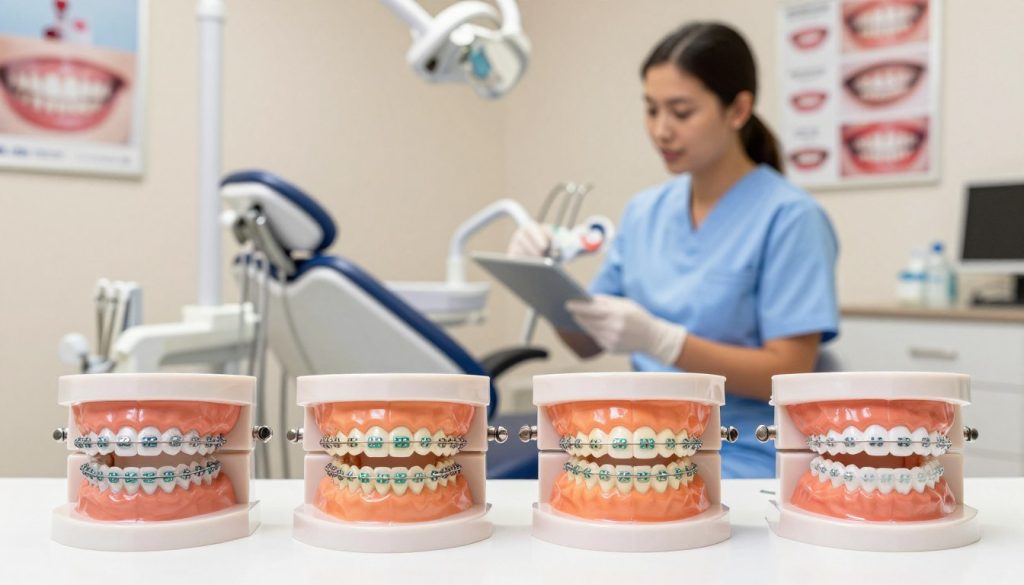
Lingual Braces
Lingual braces are attached behind the teeth, making them completely invisible from the outside.
Why They Cost More
Lingual braces are more expensive, with costs between $5,000 and $10,000, due to the complexity of their placement and the customized nature of the treatment.
Suitability for Teen Activities
These braces are ideal for teens involved in sports or other activities where traditional braces might be a hindrance. However, they can be more uncomfortable initially.
Clear Aligners for Teenagers
Clear aligners, such as Invisalign Teen, offer a removable and nearly invisible orthodontic solution.
Invisalign Teen and Alternatives
Invisalign Teen is a popular choice, with costs similar to traditional braces. Alternatives exist, often at a lower price point.
Compliance Requirements and Cost Implications
Clear aligners require strict compliance to be effective, as they must be worn for 20-22 hours a day. The cost can be influenced by the complexity of the case and the number of aligners needed.
Factors That Influence the Cost of Teen Braces
The cost of braces for teenagers can vary significantly based on several key factors. Understanding these factors can help families make informed decisions about their teen’s orthodontic treatment.
Complexity of Orthodontic Issues
The complexity of a teen’s orthodontic issues plays a significant role in determining the cost of braces. More complicated cases require more extensive treatment.
Simple vs. Complex Cases
Simple cases might involve minor adjustments, while complex cases could require additional procedures, impacting the overall cost of braces for teenagers.
Additional Appliances and Their Costs
In some cases, additional appliances like expanders or retainers may be necessary, adding to the total cost.
Treatment Duration
The length of time required for orthodontic treatment also affects the cost. Longer treatment periods typically result in higher costs.
How Length of Treatment Affects Total Cost
The longer the treatment, the more frequent the visits, and thus, the higher the total teenage braces price.
Average Timeframes for Different Conditions
Different orthodontic conditions have varying treatment durations, influencing the overall braces cost for teens.
Geographic Location and Provider Experience
Where you live and the experience of your orthodontist can also impact costs. Urban areas tend to have higher prices than rural areas.
Urban vs. Rural Pricing Differences
Orthodontic services in urban areas are generally more expensive due to higher operational costs.
Specialist vs. General Dentist Costs
Seeing a specialist can sometimes be more costly than a general dentist, but specialists often have more experience with complex cases.
Insurance and Payment Options for Teenage Braces
Navigating the financial aspects of orthodontic treatment for teenagers can be challenging, but understanding your insurance and payment options can make it more manageable. Families have several avenues to explore when it comes to financing teenage braces, and being informed is key to making the best decision.
Dental Insurance Coverage for Orthodontics
Dental insurance can play a significant role in covering the cost of braces for teenagers. Many plans offer orthodontic coverage, which can significantly reduce the out-of-pocket expenses.
Typical Coverage Limitations
It’s essential to understand that dental insurance plans often come with limitations, such as a maximum lifetime benefit for orthodontic treatment. For instance, a plan might cover up to $1,500 or $2,000 for orthodontics, after which the patient is responsible for the remaining balance.
Maximizing Insurance Benefits
To maximize insurance benefits, families should review their plan’s details and understand what is covered. Some plans may require a waiting period before orthodontic treatment is covered, while others might have specific requirements for the type of treatment.
Flexible Spending Accounts and Health Savings Accounts
Flexible Spending Accounts (FSAs) and Health Savings Accounts (HSAs) are other financial tools that can help families save on orthodontic treatment. These accounts allow for pre-tax dollars to be set aside for medical expenses, including braces.
Tax Advantages for Orthodontic Treatment
Using an FSA or HSA for orthodontic treatment can provide significant tax advantages. Contributions to these accounts are made before taxes, reducing taxable income and potentially lowering the amount of taxes owed.
Planning Your FSA/HSA Contributions
Families should plan their FSA or HSA contributions carefully, as the funds must be used within a specific timeframe or they may be forfeited. It’s crucial to estimate the total cost of the orthodontic treatment and contribute accordingly.
Payment Plans and Financing Options
Many orthodontists offer payment plans and financing options to help families manage the cost of teenage braces. These plans can be tailored to fit a family’s budget, making orthodontic treatment more accessible.
In-House Payment Plans from Orthodontists
Orthodontists often provide in-house payment plans that allow families to pay for treatment over time. These plans can be interest-free or have a low-interest rate, making them an attractive option.
Third-Party Financing and Credit Options
For families needing additional financial assistance, third-party financing options are available. These can include credit companies that specialize in medical financing, offering loans with various repayment terms.

As stated by the American Association of Orthodontists, “Orthodontic treatment can be a significant investment in your child’s oral health and self-confidence.” Understanding the available insurance and payment options can help families make informed decisions about their teenager’s orthodontic care.
How to Choose the Right Braces for Your Teen
With numerous options available, selecting the appropriate braces for your teen requires careful consideration and research. The process involves several key steps, from consulting with orthodontists to considering your teen’s lifestyle and preferences.
Consulting with Multiple Orthodontists
It’s essential to consult with multiple orthodontists to get a comprehensive understanding of the available options. This not only helps in comparing different treatment plans but also in understanding the various costs associated with each.
Questions to Ask During Consultations
During these consultations, ask questions about the treatment duration, costs, and the type of braces recommended. For instance, you might ask, “What are the advantages of ceramic braces over traditional metal braces?” or “How do clear aligners work?”
Comparing Treatment Plans and Quotes
Comparing the treatment plans and quotes from different orthodontists will help you make an informed decision. Look for a detailed breakdown of the costs and services included.
| Orthodontist | Treatment Cost | Duration |
|---|---|---|
| Dr. Smith | $5,000 | 18 months |
| Dr. Johnson | $4,500 | 20 months |
Balancing Cost with Effectiveness
When choosing braces, it’s crucial to balance the cost with the effectiveness of the treatment. More expensive options might offer additional benefits, such as faster treatment or more aesthetically pleasing results.
When to Invest in More Expensive Options
Investing in more expensive options like clear aligners or lingual braces might be worth it if your teen values the aesthetic appeal or if they have a complex orthodontic issue that requires specialized treatment.
When Basic Options Are Sufficient
On the other hand, basic metal braces might be sufficient for less complex cases, offering a cost-effective solution without compromising on the quality of care.
“The choice of braces should be based on a thorough evaluation of the teen’s orthodontic needs, lifestyle, and personal preferences.” – Orthodontic Expert
Considering Your Teen’s Lifestyle and Preferences
Your teen’s lifestyle and preferences play a significant role in choosing the right braces. For example, if your teen is involved in sports, you’ll want to consider braces that are safe and comfortable during activities.
Sports and Activities Considerations
Discuss with your orthodontist the best options for teens who participate in sports or other activities. Some braces are designed to be more accommodating for active lifestyles.
Social and Psychological Factors
Additionally, consider the social and psychological impact of the braces on your teen. Options like clear aligners or ceramic braces might be preferred for their aesthetic appeal, potentially boosting your teen’s confidence.
Conclusion: Making Informed Decisions About Teen Braces
Understanding the cost of braces for teenagers is a crucial step in making informed decisions about orthodontic treatment. The cost of braces for teens can vary significantly based on factors such as the type of braces, complexity of orthodontic issues, treatment duration, and geographic location.
By exploring the different types of braces available, including traditional metal braces, ceramic braces, lingual braces, and clear aligners, parents can determine the best option for their teen’s specific needs and lifestyle. The braces cost for teens can range widely, but with the right information, families can navigate the process with confidence.
Considering factors such as insurance coverage, payment plans, and financing options can also help make teenage braces more affordable. Ultimately, consulting with an experienced orthodontist is essential to determine the most effective and cost-efficient treatment plan for your teen.
By making informed decisions about teenage braces price and treatment options, parents can help their teens achieve a healthy, beautiful smile that will last a lifetime.