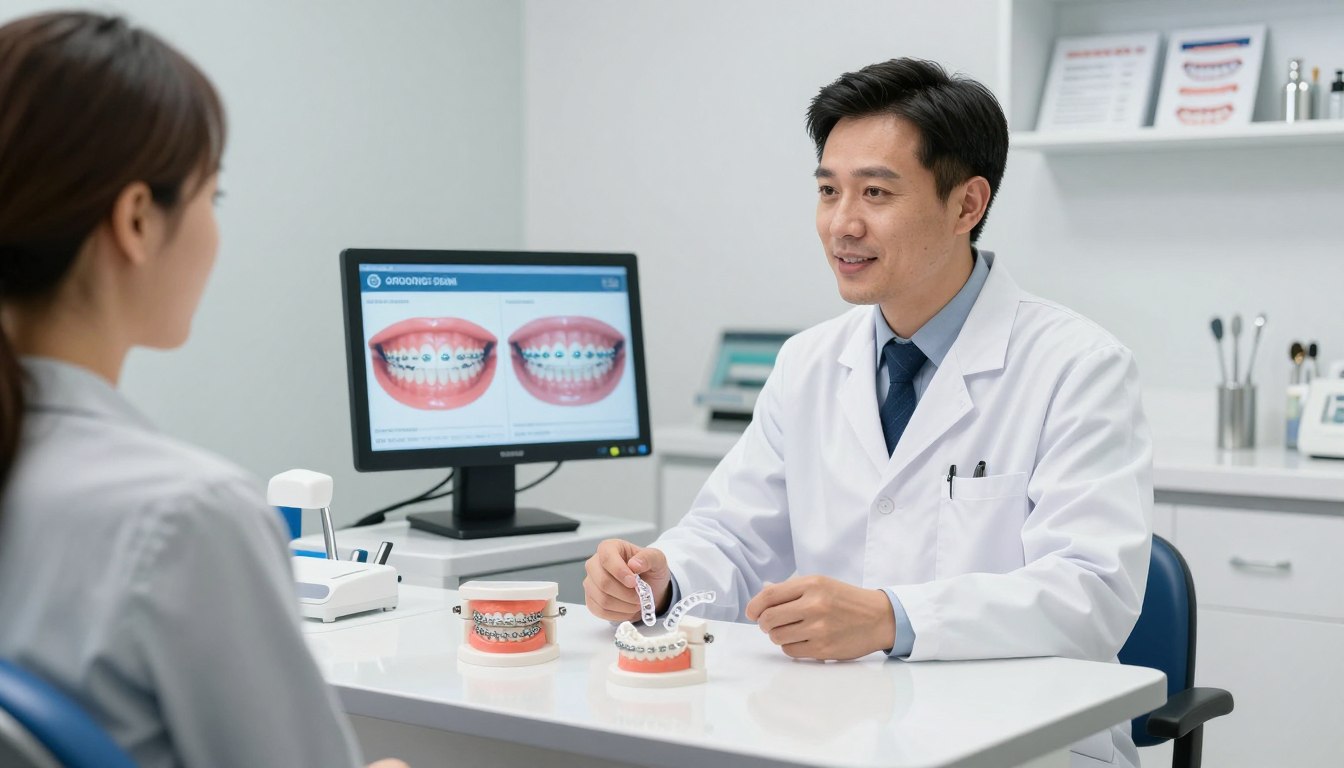
Are you considering orthodontic treatment but unsure whether braces or clear aligners are the best choice for your teeth? You’re not alone. Many adults face this dilemma, weighing the pros and cons of each option.
With the rise of adult orthodontics, the demand for discreet and effective treatments has grown. Clear aligners have become increasingly popular, but traditional braces still offer unique benefits. The decision between the two ultimately depends on your specific needs and preferences.
As you navigate this decision, it’s essential to understand the differences between these orthodontic options. This article will provide a comprehensive comparison to help you make an informed choice.
Key Takeaways
- Understanding the differences between braces and clear aligners is crucial for making an informed decision.
- Adult orthodontic options have evolved, offering more choices than ever before.
- The choice between braces and clear aligners depends on individual needs and preferences.
- Clear aligners offer a discreet and convenient option for many adults.
- Traditional braces provide effective results for complex orthodontic cases.
Understanding Adult Orthodontic Needs
Orthodontic treatment is no longer just for teenagers; many adults are now opting for teeth straightening choices to enhance their dental health and appearance. Adults consider orthodontic treatment for various reasons, ranging from aesthetic concerns to addressing dental health issues that have developed over time.
Why Adults Seek Orthodontic Treatment
Many adults seek orthodontic treatment to improve the appearance of their smile, which can significantly boost their confidence. Others may be motivated by the desire to correct dental issues such as overcrowding, gaps, or bite problems that can affect their overall oral health.
Unique Considerations for Adult Teeth
Adult teeth often present unique challenges, such as previous dental work, wear and tear, or gum recession. These factors can influence the choice between traditional braces and clear aligners, with some adults preferring the discreetness of aligner therapy for grown-ups.
The Psychological Impact of Adult Orthodontics
The decision to undergo orthodontic treatment can have a profound psychological impact on adults. By improving their smile, adults can experience a significant boost in self-esteem and overall well-being, making the treatment process highly rewarding.
Braces vs Clear Aligners for Adults: A Comprehensive Comparison
The decision between braces and clear aligners for adult orthodontic treatment involves several key factors. Both options have their advantages and disadvantages, which are crucial to understand for making an informed decision.
Treatment Effectiveness for Different Dental Issues
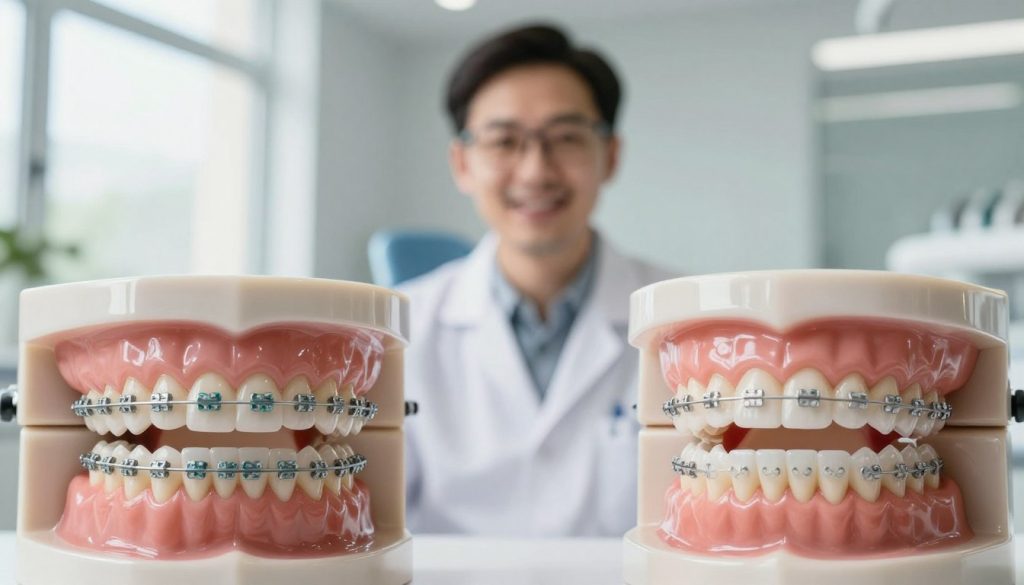
Braces are often more effective for complex dental issues, such as severe crowding, large gaps, or significant bite problems. Clear aligners, on the other hand, are suitable for mild to moderate cases, offering a more discreet solution.
Effectiveness comparison: Braces are generally better for complex cases, while clear aligners excel in simpler orthodontic needs.
Visibility and Aesthetic Considerations
Clear aligners are nearly invisible, making them a popular choice among adults who are concerned about the appearance of braces. However, braces have evolved to include more aesthetically pleasing options, such as ceramic braces.
Comfort and Daily Management
Clear aligners are custom-made, removable trays that are changed every few weeks. They offer the convenience of being removable for meals and oral hygiene. Braces, being fixed, require more careful maintenance to avoid food getting stuck.
Comfort levels can vary; some adults prefer the predictability of braces, while others appreciate the flexibility of clear aligners.
Treatment Duration Expectations
The duration of treatment varies depending on the complexity of the case and the type of orthodontic appliance used. Generally, both braces and clear aligners can take anywhere from 12 to 24 months.
- Braces: Typically require regular adjustments every 4-8 weeks.
- Clear Aligners: Involve changing aligner trays every 1-2 weeks.
Understanding these factors is essential for adults to make an informed decision that aligns with their lifestyle, preferences, and orthodontic needs.
Evaluating Traditional Braces for Adult Patients
For adults seeking to improve their smile, traditional braces are a well-established solution that continues to be refined. Traditional braces have been a cornerstone of orthodontic treatment for decades, offering a reliable method for achieving straighter teeth and correcting various dental issues.
Types of Braces Available
Adult patients have several options when it comes to traditional braces, including metal, ceramic, and lingual braces. Metal braces are the most common and are known for their effectiveness. Ceramic braces offer a more aesthetically pleasing alternative, as they blend in with the teeth. Lingual braces are attached behind the teeth, making them invisible from the outside.
Cost Considerations and Insurance Coverage
The cost of traditional braces can vary significantly based on factors such as the complexity of the case, the type of braces chosen, and the location of the orthodontic practice. Many dental insurance plans cover at least a portion of orthodontic treatment, including traditional braces. It’s essential for adult patients to check their insurance coverage and discuss financing options with their orthodontist.
Maintenance Requirements and Dietary Restrictions
Maintaining good oral hygiene is crucial when wearing traditional braces. Adult patients need to be diligent about brushing and flossing to prevent plaque buildup and tooth decay. Certain foods, such as sticky or hard items, should be avoided to prevent damage to the braces. Regular check-ups with the orthodontist are also necessary to adjust the braces and ensure treatment is progressing as planned.
Addressing Common Adult Concerns About Braces
Many adults are concerned about the visibility and comfort of traditional braces. However, advancements in orthodontic technology have made braces more comfortable and less noticeable. As one orthodontist noted,
“With modern orthodontics, we can achieve remarkable results that not only improve oral health but also boost our patients’ confidence.”
Addressing these concerns and understanding the benefits of traditional braces can help adult patients make an informed decision about their orthodontic treatment.
Exploring Clear Aligner Therapy Options
Clear aligner therapy has revolutionized adult orthodontics with its discreet and effective approach. As a result, it has become a popular choice for adults seeking to improve their dental alignment without the noticeable appearance of traditional braces.
Popular Clear Aligner Systems and Their Differences
Several clear aligner systems are available, with Invisalign being one of the most well-known. Other systems include ClearCorrect and SmileDirectClub. Each has its unique features, treatment protocols, and cost structures. For instance, Invisalign offers a comprehensive treatment plan with regular check-ups, while SmileDirectClub provides a more DIY approach with remote monitoring.
| Clear Aligner System | Treatment Protocol | Cost |
|---|---|---|
| Invisalign | Comprehensive, with regular check-ups | $3,000 – $8,000 |
| ClearCorrect | Remote monitoring, fewer office visits | $2,000 – $5,000 |
| SmileDirectClub | DIY, remote monitoring | $1,500 – $2,500 |
Compliance Requirements and Responsibility
One of the critical factors in the success of clear aligner therapy is patient compliance. Aligners must be worn for 20 to 22 hours a day to achieve the desired results. As noted by a leading orthodontic expert, “The effectiveness of clear aligner therapy largely depends on the patient’s commitment to wearing the aligners as prescribed.”
“The effectiveness of clear aligner therapy largely depends on the patient’s commitment to wearing the aligners as prescribed.” –
Cost Analysis and Financing Options
The cost of clear aligner therapy varies widely depending on the system chosen and the complexity of the treatment. Financing options are available to help make the treatment more affordable. Many providers offer payment plans, and some dental insurance plans cover part of the cost.
Lifestyle Compatibility Assessment
Clear aligners are designed to be removable, making them highly compatible with various lifestyles. They allow for easy eating, drinking, and oral hygiene maintenance. However, it’s essential to consider the responsibility of wearing aligners for the required number of hours daily.
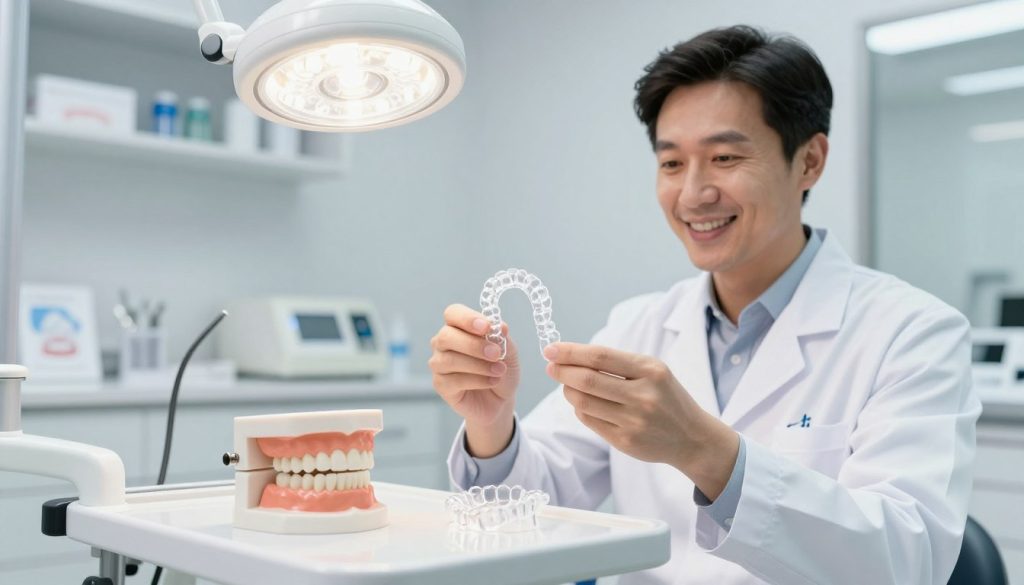
By understanding the different clear aligner systems, their compliance requirements, cost implications, and lifestyle compatibility, adults can make an informed decision about their orthodontic treatment.
Step-by-Step Decision-Making Process
The decision to opt for braces or clear aligners can be complex, but breaking it down into steps can simplify the process. By following a systematic approach, adults can make an informed decision that aligns with their needs and preferences.
Step 1: Assess Your Specific Dental Needs
Understanding your dental issues is crucial. Whether you need to address overcrowding, gaps, or bite issues, identifying your specific needs will guide your treatment choice. Consulting with an orthodontist can provide clarity on the complexity of your case and the most suitable treatment options.
Step 2: Consider Your Lifestyle and Preferences
Your lifestyle plays a significant role in choosing between braces and clear aligners. If you are concerned about aesthetics, clear aligners might be more appealing. However, if you have complex dental issues, traditional braces might be more effective.
Step 3: Evaluate Budget and Insurance Coverage
Cost is a critical factor. Create a budget and check your insurance coverage for orthodontic treatments. Some plans may cover part of the costs for braces or clear aligners.
| Factor | Braces | Clear Aligners |
|---|---|---|
| Aesthetics | Less aesthetic due to visible brackets | Highly aesthetic as they are nearly invisible |
| Cost | Can be more affordable, especially with insurance | Generally more expensive, but prices vary by brand |
| Complexity | Effective for complex dental issues | Best for mild to moderate orthodontic needs |
Step 4: Consult with Multiple Orthodontic Specialists
Getting opinions from multiple specialists can provide a broader understanding of your options. This step can help you feel more confident in your decision.
Step 5: Request Before-and-After Examples
Reviewing before-and-after photos of previous patients can give you a realistic expectation of the outcomes. This step is crucial in understanding the potential results of your chosen treatment.
By following these steps, adults can navigate the decision-making process with confidence, ultimately choosing the best option for their unique needs and preferences.
Conclusion: Finding Your Perfect Smile Solution
Choosing between braces and clear aligners can be a daunting task, especially for adults. Throughout this article, we’ve explored the key differences between these two popular orthodontic treatments, helping you make an informed decision.
When considering braces vs clear aligners for adults, it’s essential to assess your specific dental needs, lifestyle, and budget. Both options have their advantages and disadvantages, and what works best for one person may not be the best choice for another.
By understanding your unique requirements and consulting with an orthodontic specialist, you can determine the most effective treatment plan for achieving your perfect smile. Whether you opt for traditional braces or clear aligners, the key to success lies in choosing a treatment that aligns with your needs and preferences.
Take the next step towards a confident, beautiful smile. Schedule a consultation with an orthodontic professional today and start your journey to a healthier, happier you.