
Are you considering orthodontic treatment but wondering when you’ll see the results? The duration of orthodontic treatment progress can vary significantly from one individual to another.
Understanding the factors that influence the length of time it takes to achieve your desired smile is crucial. Factors such as the severity of the orthodontic issue, the type of braces used, and patient compliance all play a significant role in achieving results with braces.
Key Takeaways
- Orthodontic treatment duration varies from person to person.
- The severity of the orthodontic issue affects treatment time.
- Patient compliance is crucial for achieving desired results.
- The type of braces used can influence treatment duration.
- Regular check-ups with an orthodontist are essential for progress.
Understanding the Braces Treatment Timeline
Understanding the timeline of your braces treatment is crucial for a successful orthodontic experience. The journey to a straighter smile involves several stages, each playing a vital role in achieving the desired outcome.
Initial Consultation and Assessment
The first step in your braces treatment journey is the initial consultation with an orthodontist. During this visit, the orthodontist will assess your dental structure, discuss your treatment goals, and outline a personalized treatment plan. This stage is crucial for determining the braces treatment duration and understanding what to expect throughout the process.
The Braces Application Process
Once the treatment plan is in place, the next step is the application of the braces. This involves cleaning and drying your teeth, followed by the application of a special adhesive to attach the brackets. The brackets are then fitted onto your teeth, and an archwire is threaded through them. The entire process is typically completed within an hour or two, depending on the complexity of the case.
Regular Adjustment Appointments
After the braces are applied, regular adjustment appointments are necessary to ensure the treatment stays on track. These appointments, usually scheduled every 4-8 weeks, involve tightening the archwire and making any necessary adjustments to the brackets. This process helps to gradually move your teeth into the desired position, ultimately determining the orthodontic braces time frame and overall length of braces treatment.
By understanding these stages, you can better prepare yourself for the journey ahead and make informed decisions about your orthodontic care.
How Long Do Braces Take to Work? Typical Treatment Durations
Understanding the typical treatment duration for braces is crucial for setting realistic expectations. The length of time braces take to work can vary significantly based on several factors, including the type of orthodontic issue, the patient’s age, and the type of braces used.
Average Treatment Time for Different Age Groups
The age of the patient plays a significant role in determining the treatment duration. Generally, children and teenagers tend to have shorter treatment times compared to adults. This is because their bones are still growing, making it easier to move teeth into the desired position.
Children and Teenagers: For younger patients, the average treatment time is typically between 1 to 2 years. Their developing bones and teeth respond more quickly to orthodontic treatment.
Adults: Adults can also achieve excellent results with braces, although the treatment duration may be longer, typically ranging from 1.5 to 3 years. Adult bones are fully developed, which can make the process slightly more complex.
Treatment Duration by Type of Orthodontic Issue
The complexity of the orthodontic issue is another critical factor influencing treatment duration. Simple cases involving minor adjustments may require less time, while more complex issues such as severe crowding or significant bite problems may need longer treatment periods.
- Mild Cases: 6 to 12 months for minor adjustments.
- Moderate Cases: 1 to 2 years for cases involving some crowding or spacing issues.
- Severe Cases: 2 to 3 years or more for complex issues such as significant overbites or underbites.
Timeframes for Different Types of Braces
The type of braces chosen can also impact the treatment duration. Different types of braces have varying treatment times due to their design and functionality.
Traditional Metal Braces
Traditional metal braces are the most common type and are often considered the most effective for complex cases. The average treatment time for metal braces is typically between 1.5 to 3 years.
Ceramic Braces
Ceramic braces work similarly to metal braces but are made with clear or tooth-colored materials, making them less noticeable. The treatment duration for ceramic braces is generally the same as for metal braces, ranging from 1.5 to 3 years.
Lingual Braces
Lingual braces are attached behind the teeth, making them completely invisible. The treatment time for lingual braces can be slightly longer due to the complexity of the appliance, typically ranging from 2 to 3 years.
Clear Aligners
Clear aligners, such as Invisalign, are removable and nearly invisible. The treatment duration for clear aligners varies widely depending on the complexity of the case, typically ranging from 6 months to 2 years.
It’s essential to consult with an orthodontist to determine the most accurate treatment duration based on individual needs. By understanding the factors that influence treatment time, patients can better prepare for their orthodontic journey.
Factors That Affect Your Braces Treatment Duration
Understanding the factors that influence the duration of your braces treatment can help set realistic expectations. Several elements can impact how long your orthodontic treatment lasts, and being aware of these can make a significant difference in your overall experience.
Severity of Dental Issues
The complexity and severity of your dental issues play a crucial role in determining how long you’ll need to wear braces. More complicated cases, such as those involving significant overcrowding, large gaps, or bite issues, typically require longer treatment periods.
Examples of complex dental issues include:
- Severe overcrowding
- Significant overbites or underbites
- Large gaps between teeth
Age and Growth Considerations
Age is another critical factor that can influence the length of your braces treatment. Children and teenagers tend to have shorter treatment times because their jaws are still growing, making it easier to shift teeth into place. Adults, on the other hand, may require longer treatment periods due to the stability of their jawbone.
| Age Group | Average Treatment Time |
|---|---|
| Children (8-12 years) | 18-24 months |
| Teenagers (13-18 years) | 12-20 months |
| Adults (19+ years) | 12-36 months |
Compliance with Orthodontist Instructions
Following your orthodontist’s instructions is vital for achieving the best results in the shortest time possible. This includes attending all scheduled appointments, wearing rubber bands as directed, and maintaining good oral hygiene.
Tips for compliance:
- Keep a calendar to track appointments
- Use reminders for wearing rubber bands
- Brush and floss regularly
Individual Biological Response
Everyone’s body responds differently to orthodontic treatment. Some people may find that their teeth move more quickly, while others may require more time. Factors such as bone density and overall health can influence this biological response.
By understanding these factors and working closely with your orthodontist, you can achieve the best possible results with your braces treatment. Remember, patience and compliance are key to achieving a beautiful, healthy smile.
Tracking Progress: What to Expect Month by Month
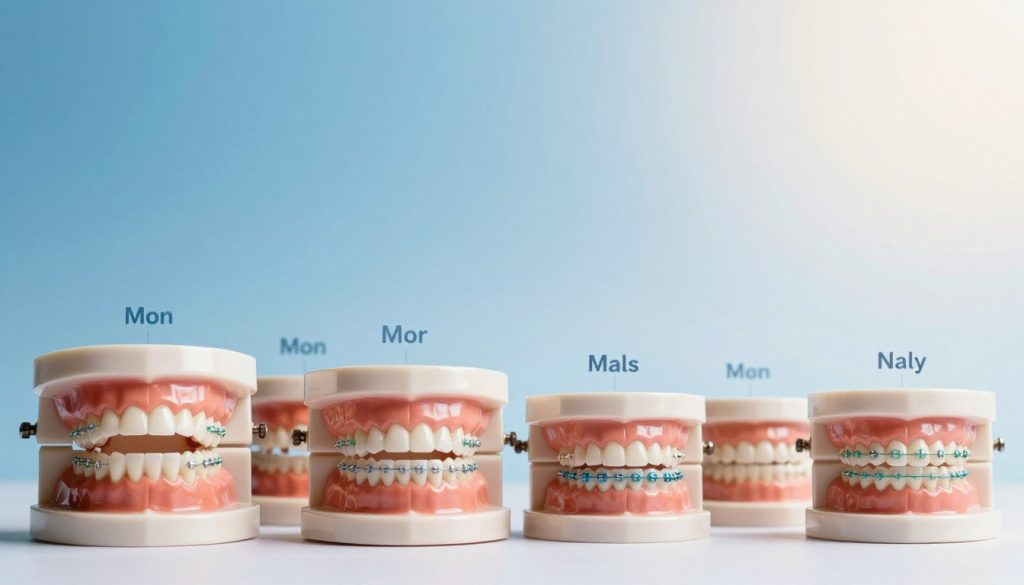
The braces treatment process can be lengthy, but knowing what to expect month by month can make it more manageable. As you undergo orthodontic treatment, your body will undergo several changes, and being aware of these changes can help you prepare and stay on track.
First 1-3 Months: Initial Changes
During the initial stages of your braces treatment, you may experience some discomfort as your teeth begin to adjust to the new appliances. This is normal and typically subsides within a few days. You may also notice some changes in the alignment of your teeth, although these might be subtle at first.
Key changes to expect during the first 1-3 months include:
- Adjustment to the feeling of wearing braces
- Initial alignment of teeth
- Possible discomfort or soreness
Months 3-6: Visible Alignment Progress
As you progress into the 3-6 month range, you’ll likely start to notice more visible changes in the alignment of your teeth. Your teeth will begin to shift into their new positions, and you may start to see improvements in the overall appearance of your smile.
Some notable changes during this period include:
- More pronounced alignment of teeth
- Possible reduction in discomfort as your mouth adjusts
- Increased confidence in your smile
Months 6-12: Significant Improvements
By the time you reach the 6-12 month mark, you’ll likely have noticed significant improvements in the alignment of your teeth. Your orthodontist will continue to make adjustments to ensure that your teeth are moving into their optimal positions.
Key developments during this stage include:
- Continued alignment and straightening of teeth
- Possible use of additional orthodontic appliances
- Enhanced overall appearance of your smile
Beyond 12 Months: Final Adjustments
For some patients, the braces treatment process may extend beyond 12 months. During this final stage, your orthodontist will make any necessary adjustments to ensure that your teeth are perfectly aligned.
Expect the following during the final stages:
- Fine-tuning of tooth alignment
- Possible use of retainers to maintain new tooth positions
- Final checks and removal of braces
Tips to Speed Up Your Braces Treatment
While the duration of braces treatment varies, there are ways to potentially shorten it. By following a few simple guidelines, you can optimize your treatment process and achieve the desired results more efficiently.
Maintaining Excellent Oral Hygiene
Good oral hygiene is crucial when wearing braces. Brushing and flossing regularly help prevent plaque buildup and tooth decay, which can complicate and prolong your treatment. Use a fluoride toothpaste and a soft-bristled toothbrush to clean around the brackets and wires gently.
“Orthodontic treatment is not just about wearing braces; it’s about maintaining a healthy mouth throughout the process,” says Dr. John Smith, an orthodontist with over a decade of experience. Proper oral care can significantly impact the effectiveness and speed of your treatment.
Following Dietary Restrictions
Certain foods can damage your braces or slow down the treatment process. Avoid hard, sticky, or chewy foods like popcorn, nuts, and caramels, as they can cause brackets to break or wires to bend. Opt for a balanced diet rich in fruits, vegetables, and lean proteins to support your oral health.
Attending All Scheduled Appointments
Regular appointments with your orthodontist are vital for adjusting your braces and ensuring your treatment stays on track. Missing appointments can lead to delays and prolong your overall treatment time. Make sure to schedule and keep all your appointments as recommended by your orthodontist.
Using Accelerated Orthodontic Techniques
Some orthodontic techniques, such as AcceleDent or propel, can help accelerate the movement of your teeth. These methods involve gentle vibrations or micro-osteoperforations that stimulate bone remodeling, potentially reducing the overall treatment time. Consult with your orthodontist to determine if such techniques are suitable for you.
Addressing Complications Promptly
If you experience any issues with your braces, such as a broken bracket or discomfort, contact your orthodontist promptly. Addressing complications quickly can prevent minor issues from becoming major problems that could delay your treatment.
By following these tips, you can potentially shorten your braces treatment duration and achieve the smile you’ve always wanted more quickly. Remember, every individual’s treatment is unique, and results can vary. However, with good oral hygiene, dietary discipline, regular appointments, and the right orthodontic techniques, you can optimize your treatment process.
Conclusion
Understanding how long braces take to work is crucial for setting realistic expectations and achieving a successful orthodontic treatment outcome. The duration of braces treatment varies significantly from person to person, influenced by factors such as the severity of dental issues, age, and compliance with orthodontist instructions.
By tracking orthodontic treatment progress month by month, individuals can witness the transformation of their smile and stay motivated throughout the process. Regular adjustments, excellent oral hygiene, and adherence to dietary restrictions can also contribute to a smoother and potentially faster treatment experience.
While the journey to a perfectly aligned smile can take time, the end result is well worth the effort. With the right mindset and professional guidance, individuals can achieve a confident, healthy smile that lasts a lifetime. Monitoring your orthodontic treatment progress and staying committed to your treatment plan will help you get the most out of your braces treatment and enjoy the benefits of a beautifully aligned smile.
Leave a Reply